188+ Best Chicken Coop Design

108007752-1721240013576-gettyimages-2154484612-best_buy_earns.jpeg?v=1727811373&w=1920&h=1080 www.cnbc.com

```html
Opening: Building Your Own Chicken Coop A DIY Guide Building your own chicken coop can be a rewarding experience. Not only does it save you money, but it also allows you to customize the coop to perfectly fit your needs and the specific requirements of your flock. This guide will walk you through the process step-by-step, ensuring a safe, comfortable, and functional home for your chickens.
Step 1: Planning and Design Before you start hammering, careful planning is crucial. Consider these factors:
  • Size: How many chickens do you plan to keep? A general rule of thumb is 4 square feet of coop space per chicken and 8-10 square feet of run space per chicken.
  • Location: Choose a level, well-drained area that offers partial shade. Consider proximity to your house and potential predators.
  • Design: Sketch out your coop design, including dimensions, door placement, window locations, and roofing style. There are plenty of free plans available online if you need inspiration.
  • Materials: Decide on your building materials. Common choices include wood, hardware cloth, and roofing shingles.
Once you have a solid plan, create a detailed materials list and purchase everything you need.
Step 2: Building the Foundation The foundation is the base of your coop and needs to be sturdy. Depending on your design and local climate, you can choose from several options:
  • Slab Foundation: Concrete slab, requiring the most effort but providing the most protection against predators digging under the coop.
  • Gravel Base: A simple and affordable option involving leveling the ground and adding a thick layer of gravel for drainage.
  • Wooden Frame: Building a wooden frame to raise the coop off the ground. This helps with ventilation and predator protection.
For this guide, let's assume you're building a wooden frame foundation. Construct the frame using pressure-treated lumber, ensuring it's square and level.
Step 3: Framing the Coop Walls Build the frame for each wall separately, using 2x4 lumber. Ensure all corners are square and securely fastened. Consider the placement of windows and doors when framing the walls. Add cross bracing for extra stability. Once the wall frames are complete, attach them to the foundation frame, ensuring they are plumb and level.
Step 4: Building the Roof There are various roof styles to choose from, including gable, shed, and A-frame roofs. A simple shed roof is a good option for beginners. Build the roof frame using 2x4 lumber, ensuring it's angled appropriately for water runoff. Cover the frame with plywood sheathing and then apply roofing felt and shingles for weather protection.
Step 5: Adding the Chicken Run The chicken run provides your chickens with outdoor space to roam and forage. Enclose the run area with hardware cloth, burying it at least 12 inches deep to prevent predators from digging underneath. Attach the hardware cloth securely to the coop and to sturdy posts. Install a door for easy access to the run.
Step 6: Interior Features Now it's time to add the essential interior features for your chickens:
  • Roosting Bars: Provide roosting bars made of smooth wood, allowing about 8-12 inches of roosting space per chicken. Place them higher than the nesting boxes.
  • Nesting Boxes: Offer one nesting box for every 3-4 chickens. Line the boxes with soft bedding, such as straw or wood shavings.
  • Food and Water: Install feeders and waterers that are easy to clean and refill. Consider using elevated feeders and waterers to prevent contamination.
Step 7: Finishing Touches Add any final touches to improve the functionality and aesthetics of your coop:
  • Ventilation: Ensure adequate ventilation by adding vents near the top of the coop. Cover the vents with hardware cloth to keep out predators.
  • Door and Window Latches: Install secure latches on all doors and windows to prevent predators from entering.
  • Paint or Stain: Apply a coat of paint or stain to protect the wood from the elements and enhance the appearance of the coop. Use chicken-safe paints or stains.
Conclusion: Enjoy Your New Chicken Coop! Congratulations! You've successfully built your own chicken coop. Take pride in your accomplishment and enjoy watching your chickens thrive in their new home. Regularly maintain the coop to ensure its longevity and the health and happiness of your flock. Remember to check regularly for any needed repairs, and adjust the coop as needed to meet the changing needs of your chickens.
```

Best Buy (bby) Earnings Q1 2024

Best buy (bby) earnings q1 2024 www.cnbc.com

107292713-16932323232021-11-22t231023z_321306043_rc2xzq9p6wat_rtrmadp_0_best-buy-results.jpeg?v

107292713-16932323232021-11-22t231023z_321306043_rc2xzq9p6wat_rtrmadp_0_best-buy-results.jpeg?v www.cnbc.com

108007752-1721240013576-gettyimages-2154484612-best_buy_earns.jpeg?v=1727811373&w=1920&h=1080

108007752-1721240013576-gettyimages-2154484612-best_buy_earns.jpeg?v=1727811373&w=1920&h=1080 www.cnbc.com
Read More..

183+ Flat Roof Bird House

2 bedroom ground floor flat for sale in sedley close, gillingham, me8 9qz www.purplebricks.co.uk

Opening: Welcoming Feathered Friends with a DIY Flat Roof Bird House Attracting birds to your yard offers more than just beautiful sights and sounds; it's also beneficial for pest control and pollination. A simple and effective way to achieve this is by building a birdhouse. This guide will walk you through the steps to create a durable and functional birdhouse with a flat roof, perfect for a variety of backyard birds. This project is suitable for beginner woodworkers and can be completed with basic tools.
Step 1: Gathering Your Materials Before you begin, gather the necessary materials. This will streamline the building process and ensure you have everything on hand. Here's what you'll need:
  • Untreated wood (pine, cedar, or redwood are excellent choices avoid treated lumber as it can be harmful to birds)
  • Wood glue (exterior grade)
  • Nails or screws (exterior grade)
  • Saw (hand saw or power saw)
  • Drill with various sized drill bits
  • Measuring tape or ruler
  • Pencil
  • Sandpaper (medium grit)
  • Clamps (optional, but highly recommended)
  • Non-toxic exterior paint or stain (optional, for weatherproofing and aesthetics)
  • Step 2: Cutting the Wood Pieces Carefully measure and cut the wood pieces according to the following dimensions. Adjust the dimensions to suit the birds in your region (smaller birds need smaller houses). These dimensions create a box suitable for many common songbirds. Remember to always double-check your measurements before cutting.
  • Front: 6 inches wide x 8 inches tall
  • Back: 6 inches wide x 10 inches tall (the extra height creates the roof overhang)
  • Sides (2 pieces): 6 inches wide x 8 inches tall
  • Bottom: 6 inches wide x 6 inches deep
  • Roof: 8 inches wide x 8 inches deep
  • Step 3: Assembling the Birdhouse Body Now it's time to assemble the main body of the birdhouse.
  • Apply wood glue to the edges of the bottom piece.
  • Attach the front, back, and side pieces to the bottom, ensuring they are flush.
  • Use nails or screws to secure the pieces together. Clamps can be helpful to hold the pieces in place while the glue dries and you fasten them.
  • Wipe away any excess glue.
  • Step 4: Creating the Entrance Hole The size of the entrance hole is critical for attracting the right birds and deterring larger, unwanted species. Refer to online resources or local bird guides to determine the appropriate hole size for the birds in your area.
  • Use a drill with the appropriate sized drill bit to create the entrance hole in the center of the front piece, about 2 inches from the top.
  • Sand the edges of the hole smooth to prevent injury to birds.
  • Step 5: Attaching the Roof Attaching the roof will provide essential weather protection.
  • Apply wood glue to the top edges of the front, back, and side pieces.
  • Center the roof piece on top of the birdhouse body.
  • Secure the roof with nails or screws. Ensure the roof overhangs the front to provide some protection from rain.
  • Wipe away any excess glue.
  • Step 6: Adding Drainage and Ventilation Drainage and ventilation are vital for a healthy birdhouse environment.
  • Drill a few small drainage holes in the bottom of the birdhouse.
  • Drill a few small ventilation holes near the top of the sides of the birdhouse.
  • Step 7: Sanding and Finishing (Optional) Sanding and finishing the birdhouse will improve its appearance and weather resistance.
  • Sand all the edges and surfaces of the birdhouse smooth.
  • Apply a non-toxic exterior paint or stain to protect the wood from the elements. Choose light colors as dark colors can overheat the birdhouse.
  • Let the paint or stain dry completely before installing the birdhouse.
  • Step 8: Mounting the Birdhouse Consider the location carefully. Mount the birdhouse in a sheltered location, away from direct sunlight and strong winds. Ideally, it should be mounted on a pole or tree, at a height appropriate for the target bird species.
  • Attach a mounting bracket or simply pre-drill holes for screws or nails on the back of the birdhouse.
  • Securely mount the birdhouse to its chosen location.
  • Conclusion: Enjoying Your New Birdhouse Congratulations! You have successfully built a flat roof birdhouse. With a little patience, you should soon see some feathered friends moving in. Remember to clean the birdhouse annually after the nesting season to remove old nests and debris. Regularly monitoring the birdhouse can help ensure a safe and healthy environment for your local bird population. Enjoy watching your new residents!

    2 Bedroom Ground Floor Flat For Sale In Sedley Close, Gillingham, Me8 9qz

    2 bedroom ground floor flat for sale in sedley close, gillingham, me8 9qz www.purplebricks.co.uk

    10 Large Granny Flat Designs

    10 large granny flat designs www.diygrannyflat.com.au

    House Design For 2-bhk Mumbai Flat

    House design for 2-bhk mumbai flat www.livspace.com
    Read More..

    116+ Self Build Storage Shed

    Experts say self esteem self love are keys to longevity and success thelifesynthesis.com

    Opening: Conquer Clutter with Your Own DIY Storage Shed! Tired of tripping over tools and garden supplies? Reclaim your space by building your own storage shed! This step-by-step guide will walk you through the process, from planning to completion. Get ready to create a functional and stylish storage solution that perfectly fits your needs and budget.
    Step 1: Planning and Preparation
  • Size and Location: Before you even think about cutting wood, determine the ideal size of your shed and where it will be located. Consider the amount of storage you need, any local building codes or permits, and the accessibility of the site. A level surface is crucial for a stable foundation.
  • Design and Materials: Sketch out your shed design, including dimensions, door and window placement, and roofing style. Create a materials list including lumber, roofing materials, siding, hardware (nails, screws, hinges), and foundation materials (gravel, concrete blocks, or a poured slab). Common lumber types include treated lumber for the base and framing, and plywood or OSB for sheathing.
  • Tools and Safety Gear: Gather the necessary tools. You'll need a measuring tape, level, square, saw (circular saw or hand saw), drill, hammer, safety glasses, gloves, and a dust mask. Consider renting specialized tools like a post hole digger if required for your foundation.
  • Step 2: Building the Foundation The foundation is the backbone of your shed.
  • Gravel Pad (Simple): Clear the area and level it. Spread a layer of gravel at least 4 inches thick, compacting it thoroughly. This provides drainage and prevents moisture from wicking up into the shed.
  • Concrete Blocks (Intermediate): Dig shallow trenches for concrete blocks, ensuring they are level and spaced evenly. Place the blocks in the trenches, using shims to fine-tune their level.
  • Poured Slab (Advanced): This is the most durable option. Build a wooden form, pour concrete, and level it with a screed. Allow the concrete to cure properly before proceeding.
  • Step 3: Framing the Walls This is where your shed starts to take shape.
  • Cut the Lumber: Using your plans, cut the lumber for the wall frames. This includes top plates, bottom plates, and studs (vertical supports).
  • Assemble the Frames: Lay out the lumber for each wall frame on a flat surface. Nail or screw the studs to the top and bottom plates, ensuring they are evenly spaced (typically 16 or 24 inches on center). Include framing for the door and any windows.
  • Raise and Secure the Walls: Carefully raise the wall frames, one at a time. Use temporary braces to hold them in place. Connect the walls at the corners using screws or nails. Ensure the walls are plumb (perfectly vertical) using a level.
  • Step 4: Constructing the Roof A sturdy roof is essential for protecting your belongings.
  • Rafters or Trusses: Decide whether to build rafters (individual roof supports) or use pre-fabricated trusses (triangular roof structures). Trusses are easier to install, but rafters offer more design flexibility.
  • Install the Rafters or Trusses: Attach the rafters or trusses to the top plates of the walls, ensuring they are evenly spaced and securely fastened. Use hurricane ties or rafter ties for added strength.
  • Sheathe the Roof: Cover the rafters or trusses with plywood or OSB sheathing. Nail or screw the sheathing to the framing.
  • Step 5: Adding Siding and Roofing These protect your shed from the elements.
  • Install Siding: Choose your siding material (wood, vinyl, metal) and install it according to the manufacturer's instructions. Overlap the siding properly to prevent water from seeping behind it.
  • Install Roofing: Install roofing felt (underlayment) over the roof sheathing. Then, install your chosen roofing material (asphalt shingles, metal roofing, etc.) according to the manufacturer's instructions. Overlap the roofing material properly to create a waterproof seal.
  • Step 6: Installing the Door and Windows Provides access and light.
  • Install the Door: Assemble the door frame and install it in the framed opening. Hang the door using hinges. Install a latch or lock for security.
  • Install the Windows: Install the window frames in the framed openings. Secure the windows in place.
  • Step 7: Finishing Touches Make your shed functional and aesthetically pleasing.
  • Interior Finishing: Consider adding interior shelving, workbenches, or other storage solutions. You can also insulate the walls and ceiling for climate control.
  • Exterior Finishing: Paint or stain the siding to protect it from the elements and enhance its appearance. Add trim around the windows and doors for a finished look.
  • Clean Up: Remove any debris and excess materials from the site.
  • Conclusion: Enjoy Your New Storage Space! Congratulations, you've built your own storage shed! Enjoy the extra space and organization you've created. With proper planning and construction, your shed will provide years of reliable storage. Remember to regularly inspect and maintain your shed to ensure its longevity.

    Self-concept In Psychology: Definition, Development,, 60% Off

    Self-concept in psychology: definition, development,, 60% off www.bharatagritech.com

    Experts Say Self Esteem Self Love Are Keys To Longevity And Success

    Experts say self esteem self love are keys to longevity and success thelifesynthesis.com

    Healthy Sense Of Self Blog

    Healthy sense of self blog healthysenseofself.com
    Read More..

    187+ Storage Shed Jack

    Quickjack shed storageshedfloor.blogspot.com

    Introduction: The Storage Shed Jack Your DIY Lifting Companion Tired of struggling to level or move your storage shed? This DIY shed jack project will provide you with a safe and effective tool to lift and reposition your shed with relative ease. It utilizes readily available materials and basic construction techniques, making it an accessible project for most DIY enthusiasts. This guide will walk you through the process step-by-step.
    Materials and Tools You'll Need Before you begin, gather the necessary materials and tools. This will ensure a smooth and efficient construction process.
  • Lumber:
    • (2) 4x4 posts, approximately 4-5 feet long (depending on desired lifting height)
    • (2) 2x6 boards, approximately 2 feet long
    • (2) 2x4 boards, approximately 1 foot long
    • (1) 2x4 board, length dependent on shed size (for the top support, see instructions)
  • Hardware:
    • Heavy-duty threaded rod, approximately 12-18 inches long, with matching nuts and washers (length depends on lifting height)
    • Wood screws (various lengths for connecting the lumber, at least 2.5 inches long)
    • Construction adhesive (optional, for added strength)
  • Tools:
    • Saw (circular saw, miter saw, or hand saw)
    • Drill with drill bits (for pilot holes and installing screws)
    • Wrench (to fit the nuts on the threaded rod)
    • Measuring tape
    • Level
    • Safety glasses
    • Gloves
  • Step 1: Constructing the Base The base provides stability and a solid foundation for the jack. Cut the 2x6 boards to the specified length (approx. 2 feet each). These will form the feet of the jack. Attach a 4x4 post vertically to the center of each 2x6 board using wood screws and construction adhesive (optional). Ensure the posts are perpendicular to the 2x6 base. Drive screws from the bottom of the 2x6 into the 4x4 posts.
    Step 2: Creating the Lifting Mechanism Drill a hole through the center of each 4x4 post, large enough to accommodate the threaded rod. Make sure the holes are aligned vertically. Insert the threaded rod through the holes in both 4x4 posts. Place a large washer and nut on the threaded rod, both above the top 4x4 and below the bottom 4x4.
    Step 3: Building the Top Support The top support distributes the lifting force across a wider area of the shed. Measure the width of the area you will be lifting on your shed. Cut the 2x4 board to this length, ensuring it's slightly shorter to avoid damaging siding or other external features. Attach the two 2x4 boards (approximately 1 foot long) to the top of the upper 4x4 post, creating a cradle. These short boards should be perpendicular to the longer 2x4 top support board. Place the long 2x4 board across these two short boards. Securely fasten them using screws.
    Step 4: Reinforcing the Structure This step isn't strictly necessary, but adds significant strength. You can add angled braces between the 4x4 posts and the 2x6 base. Cut small pieces of scrap lumber at a 45-degree angle and screw them into place. Also consider adding a horizontal 2x4 brace between the two 4x4 posts, a few inches above the base, for added stability.
    Step 5: Testing and Refinement Before using the jack on your shed, test it with a heavy object to ensure it's structurally sound and the lifting mechanism works smoothly. Turn the nut(s) on the threaded rod and observe the top support rising. If there is any wobbling or instability, reinforce the weak points with additional screws or bracing.
    Step 6: Using the Storage Shed Jack Position the jack under the area of the shed you wish to lift. Ensure the top support is in full contact with the shed's frame. Slowly turn the nut(s) on the threaded rod, lifting the shed gradually. It's recommended to use multiple jacks for larger sheds, lifting them in small increments to avoid stressing the structure. Always use caution and common sense when lifting heavy objects.
    Conclusion: A Useful DIY Tool Congratulations! You've successfully built a DIY storage shed jack. This tool will be invaluable for leveling, repairing, or moving your shed. Remember to always prioritize safety and use the jack responsibly. With proper construction and careful use, this shed jack will be a reliable asset for your DIY projects for years to come.

    Quickjack Shed

    Quickjack shed storageshedfloor.blogspot.com

    De 25+ Bedste Idéer Inden For Shed Storage Solutions På Pinterest

    De 25+ bedste idéer inden for shed storage solutions på pinterest www.pinterest.dk

    Old Jack Storage

    Old jack storage oldjackstorage.com
    Read More..

    48+ Tuff Shed Do It Yourself

    Mineralatlas lexikon www.mineralienatlas.de

    ```html
    Opening: Your DIY Tuff Shed Awaits! Ready to add storage, a workshop, or a studio to your backyard without breaking the bank? Building a DIY Tuff Shed-inspired structure can be a rewarding project. This guide provides a step-by-step approach to crafting your own durable and functional shed.
    Planning and Preparation: The Foundation of Success Before you even pick up a hammer, careful planning is crucial. This involves several key steps:
  • Determine Size and Location: Consider your storage needs and available space. Check local building codes and HOA regulations for shed size and placement restrictions.
  • Design and Blueprint: Create a detailed plan with dimensions, materials list, and construction details. You can find inspiration online or adapt existing shed plans. Include details for the foundation, framing, siding, roofing, doors, and windows.
  • Obtain Necessary Permits: Check with your local building department to determine if a permit is required. This may involve submitting your plans for review.
  • Gather Materials and Tools: Purchase all necessary lumber, fasteners, roofing materials, siding, doors, windows, and hardware. Rent or borrow any specialized tools you don't already own, such as a power saw, nail gun, and level. Safety gear, including eye protection and gloves, is a must.
  • Step 1: Building the Foundation A solid foundation is essential for a stable and long-lasting shed. Choose the type of foundation that best suits your needs and soil conditions. Popular options include:
  • Gravel Pad: A compacted gravel base provides good drainage and is relatively easy to install.
  • Concrete Slab: A concrete slab offers a durable and level surface but requires more effort and expense.
  • Wood Skid Foundation: This involves constructing a frame of pressure-treated lumber to create a raised platform.

  • Whichever foundation you choose, ensure it's level, square, and properly compacted or supported. Accurate leveling is crucial for the rest of the construction.
    Step 2: Framing the Walls The walls provide the structural support for the shed.
  • Cut the Lumber: Following your plans, cut all the studs, top plates, and bottom plates to the correct lengths.
  • Assemble the Wall Frames: Lay out the top and bottom plates and nail the studs in between at regular intervals (typically 16" or 24" on center). Ensure the frame is square.
  • Install Headers: Frame openings for doors and windows by installing headers above them.
  • Raise the Walls: With assistance, carefully raise each wall frame and secure it to the foundation. Use temporary bracing to keep the walls plumb and stable.
  • Connect the Walls: Nail or screw the walls together at the corners.
  • Step 3: Building the Roof The roof protects the shed from the elements.
  • Install Rafters or Trusses: Cut and install rafters or trusses according to your roof design. Ensure they are properly spaced and securely fastened to the wall frames.
  • Sheathe the Roof: Cover the rafters or trusses with plywood or OSB sheathing. Nail the sheathing securely to the framing.
  • Apply Roofing Underlayment: Cover the sheathing with roofing underlayment to provide a waterproof barrier.
  • Install Roofing Material: Install your chosen roofing material, such as asphalt shingles, metal roofing, or wood shakes. Follow the manufacturer's instructions for proper installation.
  • Step 4: Installing Siding and Trim Siding protects the walls from the elements and gives the shed its finished appearance.
  • Install Siding: Apply your chosen siding material, such as wood siding, vinyl siding, or metal siding. Overlap the siding properly and fasten it securely to the wall frames.
  • Install Trim: Add trim around doors, windows, and corners to cover gaps and create a clean, finished look.
  • Step 5: Installing Doors and Windows Doors and windows provide access and light.
  • Install Door Frame: Install the door frame into the framed opening. Ensure it's plumb and level.
  • Hang the Door: Hang the door and install the hinges and latch hardware.
  • Install Windows: Install the windows into the framed openings. Seal around the edges to prevent water leaks.
  • Step 6: Interior Finishing (Optional) Consider adding interior finishing to make the shed more functional and comfortable.
  • Insulation: Install insulation in the walls and ceiling to regulate temperature.
  • Wall Paneling: Cover the interior walls with plywood, drywall, or other paneling.
  • Flooring: Install flooring, such as plywood, laminate, or vinyl.
  • Shelving and Storage: Add shelving, cabinets, and other storage solutions to organize your belongings.
  • Conclusion: Enjoy Your New DIY Shed! Congratulations! You've successfully built your own Tuff Shed-inspired structure. Step back and admire your accomplishment. With proper maintenance, your new shed will provide years of reliable storage and workspace. Remember to regularly inspect the shed for any signs of damage and make repairs as needed. Enjoy your new space!
    ```

    Mineralatlas Lexikon

    Mineralatlas lexikon www.mineralienatlas.de

    Beige Textured Rock Fragment Free Stock Photo

    Beige textured rock fragment free stock photo www.freeimages.com

    Tuff

    Tuff geology.com
    Read More..

    98+ Storage Shed For Zero Turn Mower

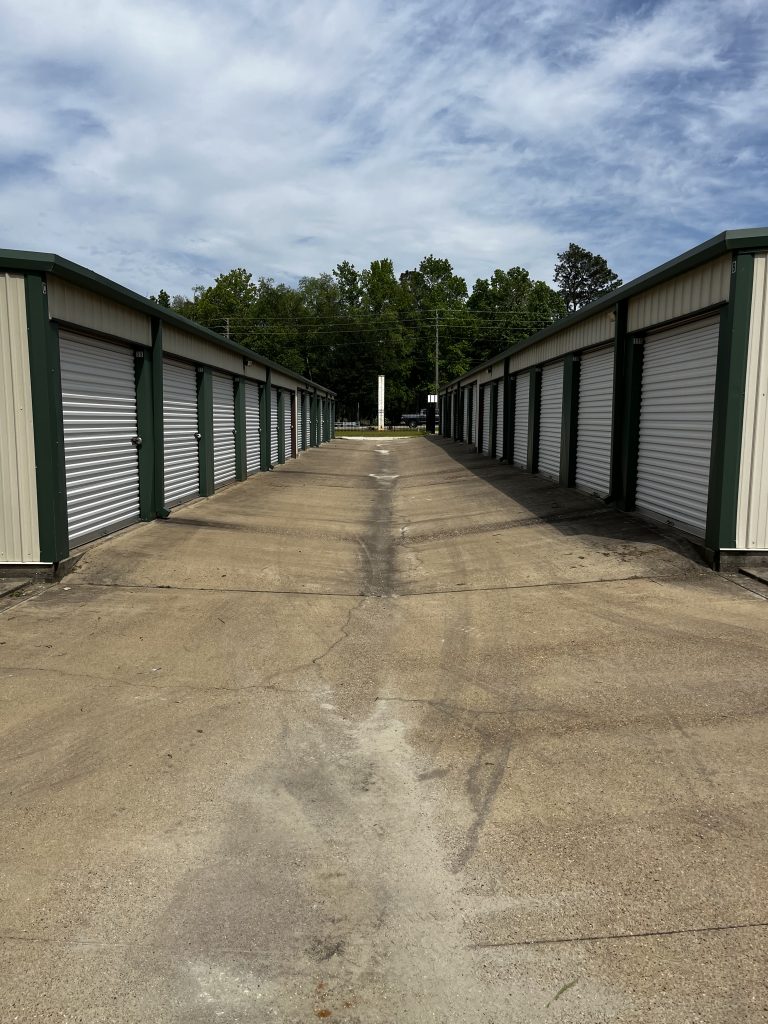
    Self storage units in middleton, wi www.kostorage.com

    ```html
    **Introduction: Building a DIY Storage Shed for Your Zero Turn Mower** Keeping your zero-turn mower protected from the elements is crucial for its longevity. Building a DIY storage shed is a rewarding project that can save you money while providing a custom solution perfectly sized for your mower. This guide will walk you through the process, step-by-step.
    **Planning & Preparation**
    1. Gathering Materials and Tools: First, determine the size of your shed based on the dimensions of your mower, adding extra space for comfortable access and storage of other tools. Create a detailed materials list including lumber (treated for ground contact where necessary), roofing materials (shingles, metal, etc.), hardware (nails, screws, hinges), and concrete blocks for the foundation. Essential tools include: a saw (circular or miter), drill/driver, level, measuring tape, square, hammer, safety glasses, and work gloves.
    2. Foundation Preparation: Choose a level location for your shed. Remove any vegetation and debris. Use concrete blocks to create a stable foundation, ensuring they are level and evenly spaced. This will prevent the shed from sinking or shifting over time.
    **Step-by-Step Construction**
    1. Building the Frame: Construct the base frame using pressure-treated lumber. Ensure it is square and securely fastened together. Next, build the wall frames, again ensuring they are square. The height of the walls will depend on your desired shed height and the roof pitch. Remember to frame out the door opening.
    2. Wall Assembly: Attach the wall frames to the base frame, ensuring they are plumb and square. Use screws for a strong and durable connection. Add diagonal bracing to the walls for increased stability.
    3. Roof Framing: Construct the roof rafters, determining the desired pitch. Attach the rafters to the top of the wall frames, ensuring they are evenly spaced and securely fastened. Add roof sheathing (plywood or OSB) to the rafters, creating a solid surface for the roofing material.
    4. Siding Installation: Install the siding material of your choice (wood, metal, vinyl, etc.) to the wall frames. Ensure the siding is properly aligned and securely fastened, overlapping each piece according to the manufacturer's instructions.
    5. Roofing Installation: Install the roofing material according to the manufacturer's instructions. This usually involves laying down underlayment followed by shingles, metal panels, or other roofing materials. Ensure proper flashing is installed around the edges and any penetrations to prevent leaks.
    6. Door Installation: Build or purchase a door that fits the framed opening. Install hinges and a latch or lock. Ensure the door swings freely and closes securely.
    **Finishing Touches**
    1. Adding Trim and Finishing Details: Install trim around the door, windows (if any), and corners of the shed for a finished look. Caulk any seams or gaps to prevent water intrusion.
    2. Painting or Staining: Paint or stain the shed to protect it from the elements and enhance its appearance. Choose a color that complements your surrounding landscape.
    3. Interior Organization (Optional): Add shelves, hooks, or other storage solutions to organize your tools and equipment.
    **Conclusion: Enjoy Your New Storage Shed** Congratulations! You have successfully built a DIY storage shed for your zero-turn mower. This shed will protect your investment from the weather, extending its lifespan and keeping it in top condition. Regularly inspect the shed for any signs of damage or wear and tear, and perform necessary maintenance to ensure its longevity.
    ```

    How To Buy A Storage Unit

    How to buy a storage unit www.holdstorage.co.uk

    Storage Units In Dublin

    Storage units in dublin www.storageunitsdublin.com

    Self Storage Units In Middleton, Wi

    Self storage units in middleton, wi www.kostorage.com
    Read More..

    43+ Wooden Pallet Chicken Coop

    Rustic wooden background wooden planks graphic by vetalstock · creative fabrica www.creativefabrica.com

    Introduction: Building a Pallet Chicken Coop
    Are you looking for an affordable and eco-friendly way to house your chickens? Building a chicken coop from reclaimed wooden pallets is a great option. This step-by-step guide will walk you through the process of constructing a sturdy and functional coop, maximizing your resources and minimizing your environmental impact.
    Step 1: Planning and Design
    Before you start collecting pallets, it's crucial to plan the size and layout of your coop. Consider the number of chickens you plan to house – a general rule of thumb is 4 square feet of coop space per chicken inside the coop and 8-10 square feet per chicken in the outdoor run. Determine the desired height, width, and length of the coop, and sketch a basic design. This will help you estimate how many pallets you'll need. Important considerations include ease of access for cleaning and egg collection, ventilation, and protection from predators.
    Step 2: Gathering Materials
    Materials List:
  • Wooden Pallets (quantity determined by your design)
  • Chicken Wire or Hardware Cloth
  • Lumber (for framing, roosting bars, and potentially reinforcing pallets)
  • Roofing Material (corrugated metal, shingles, or reclaimed materials)
  • Fasteners (screws, nails, staples)
  • Hinges and Latches (for doors and nesting boxes)
  • Paint or Wood Preservative (optional, for weather protection)
  • Sand or Wood Shavings (for coop bedding)
  • Tools List:
  • Hammer
  • Saw (circular saw, reciprocating saw, or hand saw)
  • Drill/Screwdriver
  • Staple Gun
  • Measuring Tape
  • Level
  • Safety Glasses
  • Gloves
  • Step 3: Preparing the Pallets
    Inspect each pallet carefully for damage, loose nails, and splinters. Remove any protruding nails or staples. If necessary, reinforce weak spots with additional lumber. You may need to disassemble some pallets to obtain individual boards for framing and other structural elements. Clean the pallets thoroughly with soap and water to remove dirt and debris. Let them dry completely before proceeding. Consider sanding down rough surfaces to prevent injury to your chickens.
    Step 4: Building the Coop Walls
    Begin by constructing the base frame of the coop using lumber. This frame will provide a solid foundation for the pallet walls. Securely attach the pallets to the base frame, ensuring they are plumb and level. Use screws for a stronger and more durable connection. Arrange the pallets in your planned configuration, leaving openings for doors and windows. If the pallets have gaps, you can fill them in with additional boards from disassembled pallets to improve insulation and prevent drafts.
    Step 5: Constructing the Roof
    The roof is crucial for protecting your chickens from the elements. Build a sturdy roof frame using lumber. Attach the frame to the top of the pallet walls. Ensure the roof has a slight slope to allow rainwater to run off. Cover the frame with your chosen roofing material, such as corrugated metal or shingles. Overlap the roofing material properly to prevent leaks. Secure the roofing material tightly to the frame using appropriate fasteners.
    Step 6: Adding the Chicken Run
    The chicken run provides your chickens with an outdoor space to roam and forage. Enclose the run using chicken wire or hardware cloth. Attach the wire to the coop walls and to posts driven into the ground. Ensure the wire is buried a few inches deep to prevent predators from digging underneath. A covered run is advisable in areas with heavy rain or snow, protecting the birds from weather and flying predators.
    Step 7: Interior Details
    Install roosting bars at varying heights to provide your chickens with a comfortable place to sleep. Construct nesting boxes for egg laying. A general rule of thumb is one nesting box for every 3-4 hens. Place the nesting boxes in a dark, quiet area of the coop. Add bedding material, such as sand or wood shavings, to the coop floor and nesting boxes.
    Step 8: Adding Doors and Windows
    Install a door for easy access to the coop for cleaning and egg collection. A smaller pop door for the chickens to enter and exit the coop into the run is also necessary. Securely attach hinges to the door and coop frame. Install latches to keep the doors securely closed. Add windows for ventilation and natural light. Cover the windows with chicken wire or hardware cloth to prevent predators from entering.
    Step 9: Finishing Touches and Safety
    Apply paint or wood preservative to the coop to protect it from the weather. This will extend the lifespan of your coop. Ensure all screws and nails are countersunk or covered to prevent injury to your chickens. Check the coop regularly for any signs of damage or wear and tear. Repair any issues promptly to maintain the coop's structural integrity and the safety of your chickens. Provide fresh food and water daily, and clean the coop regularly to maintain a healthy environment.
    Conclusion: Enjoy Your Pallet Chicken Coop
    Congratulations, you've successfully built a chicken coop from reclaimed wooden pallets! Your chickens will now have a safe, comfortable, and functional home. By repurposing materials, you've not only saved money but also contributed to a more sustainable lifestyle. Enjoy the fresh eggs and the satisfaction of knowing you've created something useful and environmentally friendly.

    Download Stained Maple Plywood Wooden Background Wallpaper

    Download stained maple plywood wooden background wallpaper wallpapers.com

    Fundo De Textura De Madeira E Textura De Uma Superfície De Madeira

    Fundo de textura de madeira e textura de uma superfície de madeira br.freepik.com

    Rustic Wooden Background Wooden Planks Graphic By Vetalstock · Creative Fabrica

    Rustic wooden background wooden planks graphic by vetalstock · creative fabrica www.creativefabrica.com
    Read More..

    93+ Open Floor Plan Shed House

    New vicroads centre to boost quality of service www.fullyloaded.com.au

    Opening: Dream Big, Build Small: Your DIY Shed House Awaits! Are you yearning for a backyard getaway, a creative studio, or even a tiny home without breaking the bank? Building a shed house, often called a "shed conversion" or "shoffice," can be a fantastic DIY project. This step-by-step guide will walk you through the process, from planning your space to adding those final personal touches. Get ready to transform a simple shed into a functional and stylish living space!
    Step 1: Planning and Preparation: Laying the Foundation for Success Before you even think about picking up a hammer, meticulous planning is essential. This includes defining your budget, obtaining necessary permits (check local building codes!), and creating a detailed design.
    • Determine the Purpose: How will you use your shed house? (Office, studio, guest space, etc.) This will influence the layout and features.
    • Choose Your Shed: Opt for a sturdy, well-built shed. Consider size, materials (wood vs. metal), and existing features (windows, doors). New or used are options, but factor in repair costs for used sheds.
    • Create a Detailed Plan: Sketch out the interior layout, including placement of furniture, utilities (electricity, plumbing if applicable), and insulation.
    • Obtain Permits: Contact your local building department to understand permit requirements and regulations.
    • Budget Realistically: Account for materials (lumber, insulation, flooring, wiring, plumbing), tools, and potential unexpected expenses. Add a contingency fund!
    Step 2: Foundation and Structural Reinforcement: Ensuring a Solid Base A strong foundation is critical for a long-lasting shed house. If your shed doesn't have a solid foundation or if you are building one, start here. Reinforce the existing structure if needed.
    • Foundation Options: Consider a concrete slab, gravel pad, or pier foundation. Concrete slabs are the most permanent and stable but require more effort. Gravel pads are easier to install but offer less support. Piers are good for uneven ground.
    • Leveling: Ensure the foundation is perfectly level. Use a level and shims as needed.
    • Structural Reinforcement (if needed): Inspect the shed's frame for weaknesses. Reinforce with additional lumber, brackets, or metal connectors as required. Pay attention to corners and load-bearing walls.
    Step 3: Framing and Insulation: Creating a Comfortable Shell Now it's time to build out the interior walls and insulate the shed to create a comfortable living space.
    • Framing Interior Walls: Frame out any interior walls according to your plan. Use 2x4 lumber and proper construction techniques. Secure the framing to the shed's existing walls and floor.
    • Running Electrical and Plumbing (if applicable): This step requires knowledge of electrical and plumbing codes. If you're not comfortable, hire a licensed professional. Run wiring and plumbing lines before insulating.
    • Insulation: Insulate the walls, ceiling, and floor to regulate temperature. Options include fiberglass batts, spray foam, or rigid foam boards. Choose an insulation type that's appropriate for your climate.
    Step 4: Walls, Ceiling, and Flooring: Enclosing the Space With the framing and insulation in place, it's time to install the interior walls, ceiling, and flooring.
    • Installing Walls: Cover the interior walls with plywood, drywall, or shiplap. Plywood is durable and versatile. Drywall requires more finishing but provides a smooth surface. Shiplap adds a rustic touch.
    • Ceiling Installation: Install a ceiling using similar materials as the walls. Consider adding recessed lighting or a ceiling fan.
    • Flooring: Choose a flooring option that suits your style and budget. Options include laminate, vinyl, hardwood, or carpet. Install underlayment for added insulation and comfort.
    Step 5: Doors, Windows, and Finishing Touches: Adding Character and Functionality This is where you personalize your shed house and make it your own.
    • Install Doors and Windows: Replace or add doors and windows as needed. Ensure they are properly sealed to prevent drafts and leaks.
    • Electrical Fixtures and Plumbing Fixtures: Install light fixtures, outlets, switches, and plumbing fixtures. Test all connections thoroughly.
    • Painting and Trim: Paint the walls and ceiling and install trim around windows, doors, and baseboards. Choose colors that create the desired ambiance.
    • Furniture and Decor: Furnish and decorate the shed house to your liking. Add personal touches to make it feel like home.
    Conclusion: Your Shed House Oasis: A Transformation Complete! Congratulations! You've successfully transformed a simple shed into a functional and stylish living space. Enjoy your new backyard retreat, creative studio, or tiny home. Remember to regularly maintain your shed house to ensure it lasts for years to come. Now, step back, admire your handiwork, and enjoy the fruits (or flowers, or spreadsheets...) of your labor!

    Can Your Self-storage Facility Remain Open During Covid-19?

    Can your self-storage facility remain open during covid-19? www.insideselfstorage.com

    New Vicroads Centre To Boost Quality Of Service

    New vicroads centre to boost quality of service www.fullyloaded.com.au

    Sermon: Be Open And Be Opened. — The Danish Lutheran Church And Cultural Center (714) 993-6362

    Sermon: be open and be opened. — the danish lutheran church and cultural center (714) 993-6362 www.danishchurchsocal.com
    Read More..

    59+ Shed With Solar Lighting

    Brighten your shed: solar lighting magic! solarrequired.com

    ```html
    Opening: Brighten Your Shed with DIY Solar Lighting Are you tired of fumbling around in a dark shed, unable to find what you need? Solar lighting offers an eco-friendly and cost-effective solution to illuminate your shed without the hassle of running electrical wiring. This step-by-step guide will walk you through building your own DIY solar lighting system.
    Step 1: Gather Your Materials Before you begin, you'll need to collect the necessary components. Here's a list:
  • Solar Panel: Choose a panel with wattage appropriate for the size of your shed and your lighting needs (e.g., 10-20 watts for a small shed).
  • Charge Controller: This regulates the voltage from the solar panel to the battery, preventing overcharging.
  • Battery: A 12V deep cycle battery is recommended for storing the solar energy. The capacity (Ah) determines how long your lights will run.
  • LED Lights: Choose energy-efficient LED lights with the appropriate brightness (lumens) for your shed.
  • Wiring: Use appropriately sized wiring (e.g., 14 AWG) to connect the components.
  • Connectors and Fuses: These ensure safe and reliable connections.
  • Mounting Hardware: For securing the solar panel to the shed roof or a suitable location.
  • Tools: Wire strippers, crimpers, screwdrivers, drill, multimeter.
  • Step 2: Mount the Solar Panel Select a location on your shed roof or a nearby area that receives ample sunlight throughout the day. Secure the solar panel using appropriate mounting hardware. Ensure the panel is angled correctly to maximize sunlight capture based on your latitude.
    Step 3: Install the Charge Controller Mount the charge controller inside the shed in a dry, accessible location. Connect the solar panel to the charge controller's input terminals, following the manufacturer's instructions. Be mindful of polarity (positive and negative).
    Step 4: Connect the Battery Connect the battery to the charge controller's battery terminals, again ensuring correct polarity. A fuse should be placed in-line between the battery and the charge controller for safety.
    Step 5: Wire the LED Lights Connect the LED lights to the charge controller's output terminals or directly to the battery (depending on the charge controller's design). Use appropriate wiring and connectors. Again, pay attention to polarity. Consider using a switch to control the lights.
    Step 6: Test and Secure the System Once all connections are made, carefully test the system. Use a multimeter to verify proper voltage levels. Secure all wiring and components to prevent damage and ensure a neat installation.
    Step 7: Final Checks and Maintenance Regularly inspect the system for any signs of damage or wear. Clean the solar panel periodically to maintain optimal performance. Check the battery's water level (if applicable) and ensure proper ventilation.
    Conclusion: Enjoy Your Brightly Lit Shed By following these steps, you can create a reliable and environmentally friendly solar lighting system for your shed. Enjoy the convenience of having light whenever you need it, without the expense and complexity of traditional electrical wiring. Remember to prioritize safety and consult with an electrician if you have any doubts or concerns about electrical work.
    ```

    A Guide To Solar Shed Lighting Systems

    A guide to solar shed lighting systems solarsignlightingkits.blogspot.com

    Solar Shed Lighting

    Solar shed lighting www.allaboutsheds.com.au

    Brighten Your Shed: Solar Lighting Magic!

    Brighten your shed: solar lighting magic! solarrequired.com
    Read More..

    197+ Chicken In Coop

    Trader joe's spatchcock chicken recipe: deliciously juicy and easy! kitchenaiding.com

    ```html
    Introduction: Building Your Own Chicken Coop So, you're thinking about raising chickens? Fantastic! Fresh eggs and happy hens are a rewarding experience. But before you bring those feathered friends home, they'll need a safe and comfortable place to live: a chicken coop! Building your own coop is a great way to customize it to your specific needs and save some money in the process. This guide will walk you through the process, step-by-step.
    Step 1: Planning and Design The first, and arguably most important, step is planning. Consider these factors:
    • Number of Chickens: How many chickens will you have? A general rule of thumb is 4 square feet of coop space and 8-10 square feet of run space per chicken.
    • Available Space: How much space do you have in your yard for the coop and run?
    • Budget: How much are you willing to spend on materials?
    • Climate: What's the climate like in your area? You'll need to consider insulation, ventilation, and weather protection.
    • Coop Style: Research different coop designs – A-frame, shed-style, walk-in, etc. – and choose one that fits your needs and skill level.
    Sketch out your design and create a materials list. Don't forget to factor in height for easy cleaning and access.
    Step 2: Gathering Materials Once you have your design and materials list, it's time to gather your supplies. Common materials include:
    • Lumber: Pressure-treated lumber for the base and framing, and regular lumber for the walls and roof.
    • Plywood or OSB: For sheathing the walls and roof.
    • Roofing Material: Shingles, metal roofing, or tar paper.
    • Hardware Cloth: For the run to protect against predators. Avoid chicken wire as it's not strong enough.
    • Nails and Screws: Exterior-grade screws are recommended for durability.
    • Hinges and Latches: For doors and access points.
    • Rafter Ties/Hurricane Straps: For added structural integrity (especially in windy areas).
    • Nesting Boxes: These can be purchased or built from scrap lumber.
    • Roosting Bar: A sturdy bar for the chickens to sleep on.
    • Ventilation: Vents or windows for airflow.
    Don't forget safety gear like gloves, safety glasses, and a dust mask.
    Step 3: Building the Base The base is the foundation of your coop. Build a sturdy frame using pressure-treated lumber.
    • Cut the Lumber: Cut the lumber to the dimensions of your base according to your plan.
    • Assemble the Frame: Use screws or nails to assemble the frame. Ensure it's square and level.
    • Add Support: Add cross braces for extra support, especially if the coop will be off the ground.
    • Level the Base: Ensure the base is level before proceeding. This is crucial for the structural integrity of the coop.
    Consider raising the base off the ground slightly to prevent moisture damage and deter rodents.
    Step 4: Framing the Coop Now it's time to build the frame for the walls and roof.
    • Cut the Lumber: Cut the lumber to the desired height and shape for the walls and roof.
    • Assemble the Walls: Build the wall frames, ensuring they are square and plumb. Include openings for the door, windows, and vents.
    • Attach the Walls to the Base: Securely attach the wall frames to the base using screws or nails.
    • Frame the Roof: Construct the roof frame, ensuring it has the proper slope for drainage. Use rafter ties or hurricane straps for extra strength.
    Double-check all measurements and ensure the frame is sturdy before moving on.
    Step 5: Sheathing the Coop Sheathing involves covering the frame with plywood or OSB.
    • Cut the Sheathing: Cut the plywood or OSB to fit the walls and roof.
    • Attach the Sheathing: Attach the sheathing to the frame using screws or nails. Leave space for ventilation.
    • Cut Openings: Cut out the openings for the door, windows, and vents.
    Be sure to stagger the seams of the sheathing for added strength.
    Step 6: Roofing Protect the coop from the elements by installing the roofing material.
    • Install Underlayment (Optional): Consider installing a layer of tar paper or roofing felt under the shingles or metal roofing.
    • Install Roofing Material: Follow the manufacturer's instructions for installing your chosen roofing material. Overlap the pieces properly to prevent leaks.
    • Seal the Edges: Seal the edges of the roof to prevent water from getting in.
    A properly installed roof is essential for keeping your chickens dry and comfortable.
    Step 7: Adding the Run The run provides the chickens with outdoor space to roam.
    • Build the Frame: Build a frame for the run using lumber.
    • Attach Hardware Cloth: Cover the frame with hardware cloth, burying it several inches into the ground to prevent digging predators.
    • Secure the Run to the Coop: Attach the run securely to the coop.
    • Add a Door: Add a door to the run for easy access.
    Ensure the hardware cloth is securely attached to prevent predators from getting in.
    Step 8: Interior Finishing Make the coop comfortable and functional for your chickens.
    • Install Nesting Boxes: Place the nesting boxes in a dark, quiet area of the coop.
    • Install Roosting Bar: Install a sturdy roosting bar at least 2 feet off the ground.
    • Add Ventilation: Ensure there is adequate ventilation to prevent moisture buildup and ammonia fumes.
    • Seal Cracks and Gaps: Seal any cracks or gaps to prevent drafts and pests.
    • Add a Door: Install the coop door and latch.
    Consider adding a dropping board under the roosting bar to make cleaning easier.
    Step 9: Final Touches Add the final touches to make your coop safe and comfortable.
    • Add Bedding: Add bedding material such as straw, wood shavings, or pine needles to the coop floor.
    • Provide Food and Water: Place food and water inside the coop and run.
    • Inspect for Hazards: Inspect the coop and run for any sharp edges, exposed nails, or other hazards.
    • Test the Doors and Latches: Ensure all doors and latches are working properly and are secure.
    Make sure the coop is clean and ready for your chickens!
    Conclusion: Enjoy Your New Chicken Coop! Congratulations! You've built your own chicken coop. With a little planning and effort, you've created a safe and comfortable home for your chickens. Now you can enjoy fresh eggs and the satisfaction of knowing you built it yourself! Remember to regularly clean the coop and run to keep your chickens healthy and happy.
    ```

    Easy Chicken Recipes In Under 30 Minutes

    Easy chicken recipes in under 30 minutes www.licious.in

    Chicken Recipes

    Chicken recipes www.allrecipes.com

    Trader Joe's Spatchcock Chicken Recipe: Deliciously Juicy And Easy!

    Trader joe's spatchcock chicken recipe: deliciously juicy and easy! kitchenaiding.com
    Read More..

    79+ Storage Shed Caboolture

    25 amazing storage ideas for small spaces to try out www.instaloverz.com

    ```html
    Introduction: Building Your Own Storage Shed
    Are you tired of clutter in your garage or backyard? A DIY storage shed can be the perfect solution. This post provides a comprehensive, step-by-step guide to building your own sturdy and functional storage shed, tailored for beginners. We'll cover everything from planning and materials to construction and finishing touches.
    Step 1: Planning and Design
    Before you start hammering, careful planning is crucial. This will save you time, money, and potential headaches down the line. Here's what you need to consider:
    • Size and Location: Determine the ideal size of your shed based on your storage needs and available space. Consider factors like sunlight exposure, drainage, and proximity to property lines. Check local building codes and zoning regulations for any permits required.
    • Design and Style: Choose a shed design that complements your existing landscape and fulfills your practical needs. Gable roofs are common, but consider a lean-to or saltbox design for a unique look. Sketch out a detailed plan, including dimensions, materials, and construction details.
    • Foundation: Decide on the type of foundation. Options include a gravel pad, concrete slab, or wooden skid foundation. A gravel pad is often the easiest and most cost-effective for smaller sheds. A concrete slab offers the most stability and longevity.
    Step 2: Gathering Materials and Tools
    Create a comprehensive materials list based on your shed design. This includes lumber, roofing materials, siding, fasteners (nails, screws), foundation materials, doors, windows (if desired), and any necessary hardware. Essential tools include:
    • Circular saw
    • Drill/driver
    • Level
    • Measuring tape
    • Hammer
    • Safety glasses
    • Work gloves
    • Square
    • Shovel
    • Wheelbarrow (for foundation)
    Purchase quality materials to ensure the longevity and durability of your shed. Consider pressure-treated lumber for ground contact.
    Step 3: Preparing the Foundation
    Proper foundation preparation is essential for a stable and long-lasting shed. For a gravel pad:
    • Clear the area of any vegetation, rocks, and debris.
    • Excavate the area to the desired depth (typically 4-6 inches).
    • Compact the soil.
    • Add a layer of landscape fabric to prevent weed growth.
    • Spread and level a layer of gravel (crushed stone is ideal).
    • Compact the gravel thoroughly.
    Ensure the foundation is level and square before proceeding.
    Step 4: Building the Frame
    Construct the shed frame according to your plans. This typically involves building the floor frame, wall frames, and roof frame.
    • Floor Frame: Assemble the floor frame using pressure-treated lumber, ensuring square corners and proper spacing for joists. Attach plywood sheathing to create the floor.
    • Wall Frames: Build the wall frames using studs, top plates, and bottom plates. Frame out any openings for doors and windows. Ensure all frames are square and plumb.
    • Raising the Walls: Carefully raise the wall frames and secure them to the floor frame. Use temporary bracing to hold the walls in place until the roof frame is installed.
    • Roof Frame: Construct the roof frame using rafters or trusses, ensuring proper pitch and overhang. Secure the roof frame to the wall frames.
    Step 5: Installing Siding and Roofing
    With the frame in place, it's time to install the siding and roofing.
    • Siding: Attach the siding to the wall frames, overlapping each piece according to the manufacturer's instructions. Common siding options include wood siding, vinyl siding, and metal siding.
    • Roofing: Install roofing felt (underlayment) to protect the roof deck from moisture. Then, install your chosen roofing material, such as asphalt shingles, metal roofing, or wood shakes. Ensure proper overlap and sealing to prevent leaks.
    Step 6: Installing Doors and Windows
    Install the door(s) and window(s) according to the manufacturer's instructions. Ensure they are properly aligned and sealed to prevent drafts and leaks. Install any necessary hardware, such as hinges, latches, and locks.
    Step 7: Finishing Touches
    Complete the finishing touches to enhance the functionality and appearance of your shed.
    • Trim: Install trim around the doors, windows, and corners to create a finished look.
    • Painting or Staining: Apply paint or stain to protect the wood and enhance the aesthetic appeal of your shed.
    • Interior: Add shelving, workbenches, or other storage solutions to maximize the use of space.
    • Landscaping: Consider adding landscaping around the shed to blend it into the surrounding environment.
    Conclusion: Enjoy Your New Storage Shed
    Congratulations! You've successfully built your own storage shed. Enjoy the added storage space and the satisfaction of completing a DIY project. Remember to maintain your shed regularly to ensure its longevity and functionality for years to come. Regularly inspect the roof, siding, and foundation for any signs of damage and address them promptly.
    ```

    25 Amazing Storage Ideas For Small Spaces To Try Out

    25 amazing storage ideas for small spaces to try out www.instaloverz.com

    Mini Storage Steel Building Kits

    Mini storage steel building kits mavericksteelbuildings.com

    A Comprehensive Guide On How To Pack Your Storage Unit For Easy Access

    A comprehensive guide on how to pack your storage unit for easy access www.albuquerqueselfstorage.com
    Read More..

    167+ Flat Roof Replacement Building Control

    What is the difference between a flat and an apartment? www.propira.com

    Opening: DIY Birdhouse Project: A Step-by-Step Guide Are you looking for a rewarding DIY project that can add a touch of nature to your yard? Building a birdhouse is a fantastic way to attract feathered friends and enhance your outdoor space. This guide will walk you through the process, step-by-step, ensuring you have all the information you need to create a safe and welcoming home for birds. Get ready to unleash your inner carpenter and create a beautiful and functional birdhouse!
    Step 1: Gathering Your Materials Before you begin, you'll need to gather the necessary materials and tools. The specific dimensions of your birdhouse can be adjusted, but here's a basic list to get you started:
  • Untreated lumber (pine or cedar are excellent choices avoid pressure-treated wood)
  • Wood glue
  • Nails or screws (exterior grade)
  • Drill with various sized bits
  • Saw (hand saw, circular saw, or jigsaw)
  • Measuring tape or ruler
  • Pencil
  • Sandpaper
  • Clamps (optional, but helpful)
  • Non-toxic paint or sealant (optional)
  • Step 2: Cutting the Wood Pieces Using your measurements (you can find numerous birdhouse plans online with different dimensions for specific bird species), carefully cut the lumber into the following pieces:
  • Front piece
  • Back piece (often longer than the front to create an overhang)
  • Two side pieces
  • Bottom piece
  • Roof pieces (two pieces)
  • Make sure your cuts are straight and precise for a snug fit. Sand down any rough edges to prevent splinters.
    Step 3: Assembling the Birdhouse Body Start by attaching the side pieces to the bottom piece. Use wood glue and nails or screws for a strong bond. Ensure the sides are flush with the bottom. Next, attach the front and back pieces to the sides and bottom, again using glue and fasteners. Clamp the pieces together while the glue dries for optimal strength.
    Step 4: Creating the Entrance Hole The size of the entrance hole is crucial for attracting the right kind of birds. Research the appropriate hole size for the bird species you wish to attract. Using your drill and the appropriate sized drill bit, carefully drill the entrance hole in the front piece of the birdhouse.
    Step 5: Attaching the Roof Attach the roof pieces to the top of the birdhouse. Ensure the roof overhangs the front and sides slightly to provide protection from the rain. Use wood glue and nails or screws to secure the roof pieces.
    Step 6: Adding Ventilation and Drainage Birds need proper ventilation and drainage in their home. Drill a few small holes in the bottom of the birdhouse for drainage. You can also drill small ventilation holes near the top of the sides, just below the roofline.
    Step 7: Finishing Touches (Optional) Sand down any remaining rough edges. If desired, you can paint or seal the birdhouse with non-toxic paint or sealant to protect it from the elements. Choose colors that blend in with the natural environment. Avoid bright or flashy colors that could attract predators. Let the paint or sealant dry completely before mounting the birdhouse.
    Step 8: Mounting Your Birdhouse Choose a suitable location for your birdhouse. Ideally, it should be sheltered from direct sunlight and strong winds. Mount the birdhouse securely to a tree, post, or building using appropriate mounting hardware. Ensure the birdhouse is stable and won't wobble or fall.
    Conclusion: Enjoy Your New Birdhouse! Congratulations! You've successfully built your own birdhouse. Now, sit back and enjoy watching the birds move in and make it their home. Remember to clean out the birdhouse annually after the nesting season to keep it healthy and inviting for future residents. With a little effort, you've created a valuable addition to your yard and a welcoming haven for your local bird population.

    Modern Flat Roof House Design: A Stunning 3-bedroom Home

    Modern flat roof house design: a stunning 3-bedroom home www.keralahousedesigns.com

    Top 10 Flat Roof House Designs

    Top 10 flat roof house designs www.archid.co.za

    What Is The Difference Between A Flat And An Apartment?

    What is the difference between a flat and an apartment? www.propira.com
    Read More..

    153+ How To Build Shed Roof Truss

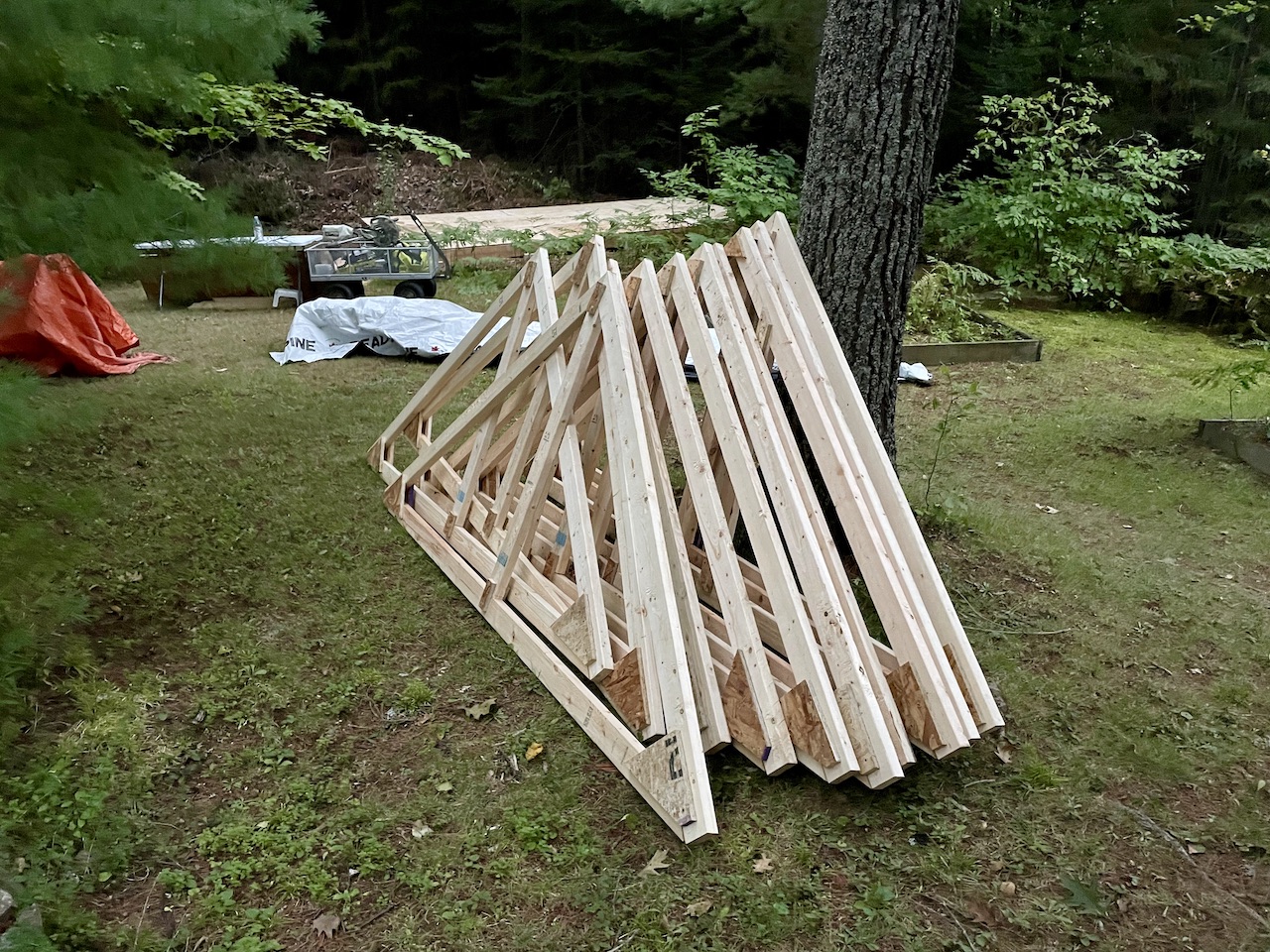
    Building gable roof shed trusses www.pinterest.com

    ```html
    Introduction: Building Your Own Shed Roof Truss Embarking on a DIY shed building project? A crucial component is a sturdy and well-constructed roof. This guide will walk you through the process of building your own shed roof trusses, step-by-step, ensuring a strong and reliable structure for your shed. This method focuses on a simple, common design suitable for small to medium-sized sheds.
    Materials and Tools Before you start, gather your materials and tools. Accurate measurements and proper tools are essential for a successful outcome. Here's what you'll need:
    • Lumber: Typically 2x4 lumber for smaller sheds, 2x6 for larger spans. Calculate the length needed for the top chords, bottom chord, and webbing (vertical and diagonal supports).
    • Plywood gussets: 1/2" or 3/4" plywood, cut into triangles or rectangles for joining the lumber pieces.
    • Construction Adhesive: Strong adhesive specifically for wood.
    • Screws or Nails: Exterior-grade screws or nails suitable for wood construction.
    • Measuring Tape: For accurate measurements.
    • Pencil: For marking cuts.
    • Circular Saw: For cutting lumber.
    • Jigsaw (optional): For cutting plywood gussets if not pre-cut.
    • Drill/Driver: For driving screws.
    • Hammer (if using nails): For securing nails.
    • Safety Glasses: Protect your eyes.
    • Work Gloves: Protect your hands.
    • Speed Square or Framing Square: Ensuring accurate angles.
    • Clamps: To hold pieces together while adhesive dries.
    Step 1: Determine Truss Dimensions and Angle The most important step is determining the dimensions of your trusses. This will depend on the size of your shed and the desired roof pitch. Common roof pitches are 4/12, 6/12, or 8/12 (rise over run). Once you've chosen your pitch, use trigonometry or a rafter table to calculate the angle of the top chords. A simple method is to use an online truss calculator, inputting the shed width, roof pitch, and desired overhang (if any). This will give you the lengths of the top chord, bottom chord, and the height of the truss at its peak.
    Step 2: Cut the Lumber Now that you have your dimensions, it's time to cut the lumber. Using your circular saw, carefully cut the top chords, bottom chord, and webbing pieces to the lengths calculated in the previous step. Ensure that your cuts are straight and accurate. A miter saw can also be used for precise angle cuts on the top chord if needed. Double-check your measurements before cutting to avoid wasting lumber.
    Step 3: Assemble the Truss Frame Begin assembling the truss on a flat, level surface, such as a garage floor or a large workbench. Position the top chords and bottom chord to form the basic triangular shape of the truss. Use your speed square or framing square to ensure that the angles are correct. Temporarily clamp the pieces together to hold them in place.
    Step 4: Install Webbing (Vertical and Diagonal Supports) The webbing provides crucial support to the truss. Cut vertical and diagonal supports from your lumber and position them within the truss frame. The exact placement of the webbing will depend on the span of your truss. For smaller spans, a single vertical support at the center of the bottom chord might suffice. For larger spans, you'll need multiple vertical and diagonal supports to distribute the load. Ensure the webbing pieces fit snugly between the top and bottom chords.
    Step 5: Attach the Gussets Apply construction adhesive to the areas where the gussets will be attached to the lumber. Position the plywood gussets over the joints where the top chords meet the bottom chord, and where the webbing connects to the top and bottom chords. Secure the gussets with screws or nails, ensuring they are evenly spaced and penetrate the lumber sufficiently. Apply gussets on both sides of the truss for maximum strength.
    Step 6: Allow Adhesive to Dry and Inspect Allow the construction adhesive to dry completely according to the manufacturer's instructions. Once the adhesive is dry, inspect the truss for any loose joints or weaknesses. Add additional screws or nails if necessary to reinforce any areas that seem weak.
    Step 7: Repeat for Additional Trusses Repeat steps 2-6 to build the remaining trusses needed for your shed roof. Ensure that all the trusses are identical in size and shape to maintain a uniform roofline. Using one completed truss as a template for the others can help ensure consistency.
    Conclusion Building your own shed roof trusses can save you money and provide a sense of accomplishment. By following these steps carefully and using quality materials, you can create strong and reliable trusses that will support your shed roof for years to come. Remember to always prioritize safety when working with power tools.
    ```

    How To Build A Shed Roof Truss

    How to build a shed roof truss insideactor.coesca.com

    Building Gable Roof Shed Trusses

    Building gable roof shed trusses www.pinterest.com

    How To Build A Shed Roof Truss

    How to build a shed roof truss insideactor.coesca.com
    Read More..


    Blog Archive

    Diberdayakan oleh Blogger.