63+ Build Storage Shed On Concrete Slab

4090 y60 build www.reddit.com

Opening: A Durable DIY Storage Shed on a Concrete Slab Building a storage shed on a concrete slab provides a stable and long-lasting foundation. This project, while requiring some effort, can be accomplished by DIY enthusiasts with basic carpentry skills. This guide will walk you through each step, from planning to completion. Let's get started!
Step 1: Planning and Preparation Before you even think about hammering a nail, meticulous planning is key. This involves checking local building codes, designing your shed, and acquiring all necessary materials.
  • Local Building Codes: Contact your local building department to understand permit requirements and any restrictions on shed size, placement, or materials.
  • Shed Design: Decide on the size and style of your shed. Consider its purpose (lawn equipment, tools, etc.) to determine the appropriate dimensions. Sketch out your design, including the location of doors, windows, and any shelving.
  • Concrete Slab: If you don't already have a concrete slab, you'll need to pour one. This involves creating a form, pouring concrete, and letting it cure properly (typically several days to a week). Make sure the slab is level and slightly larger than the planned footprint of your shed.
  • Material List: Create a detailed list of all materials, including lumber (treated for the base), siding, roofing materials, doors, windows, fasteners (nails, screws), and any other necessary hardware. Overestimate slightly to account for waste.
  • Step 2: Framing the Base The base is the foundation of your shed's frame. Use pressure-treated lumber for this to prevent rot and insect damage.
  • Cut Lumber: Cut the lumber according to your plan to create the perimeter of the shed's base.
  • Assemble the Frame: Join the pieces of lumber using screws or nails to form a rectangular frame. Ensure the corners are square.
  • Anchor to Slab: Secure the base frame to the concrete slab using concrete anchors or expansion bolts. Drill pilot holes through the frame and into the concrete, then insert the anchors.
  • Add Floor Joists: Install floor joists within the frame, spaced evenly apart (typically 16" or 24" on center). These provide support for the flooring.
  • Step 3: Framing the Walls Building the walls is a crucial step in defining the shed's structure.
  • Cut Wall Studs: Cut wall studs to the desired height of your shed.
  • Assemble Wall Frames: Lay out the studs and top/bottom plates on a flat surface. Space the studs evenly apart (typically 16" or 24" on center).
  • Add Door and Window Openings: Frame out the openings for the door and windows, using headers to support the weight above the openings.
  • Raise and Secure Walls: Raise each wall frame and secure it to the base frame using screws or nails. Ensure the walls are plumb (perfectly vertical) before securing them. Use temporary braces to hold the walls in place while you work.
  • Connect Walls: Connect the walls to each other at the corners, using screws or nails.
  • Step 4: Installing the Roof The roof provides protection from the elements.
  • Build Rafters or Trusses: Build rafters or trusses according to your roof design. Rafters are individual supports, while trusses are pre-fabricated triangular structures.
  • Install Rafters/Trusses: Attach the rafters or trusses to the top plates of the walls, ensuring they are evenly spaced and securely fastened.
  • Sheathing: Cover the rafters or trusses with sheathing (plywood or OSB). Nail or screw the sheathing to the rafters/trusses.
  • Roofing Material: Install your chosen roofing material (shingles, metal roofing, etc.). Follow the manufacturer's instructions for installation.
  • Step 5: Siding and Finishing This is where you give your shed its final look and protect it from the elements.
  • Install Siding: Attach the siding to the exterior walls, following the manufacturer's instructions. Overlap the siding appropriately to prevent water from seeping in.
  • Install Door and Windows: Install the door and windows into the framed openings.
  • Trim and Seal: Add trim around the door and windows to seal any gaps and improve the appearance. Caulk all seams and joints to prevent water infiltration.
  • Flooring: Install flooring inside the shed, if desired. This could be plywood, OSB, or even a sealant painted directly onto the concrete slab.
  • Paint or Stain: Paint or stain the exterior of the shed to protect it from the elements and enhance its appearance.
  • Conclusion: Enjoy Your New Storage Shed! Congratulations! You've successfully built a storage shed on a concrete slab. This durable structure will provide valuable storage space for years to come. Remember to regularly inspect your shed for any signs of damage and perform necessary maintenance to keep it in good condition. You have increased your storage capacity and property value with your new shed, well done.

    4090 Y60 Build

    4090 y60 build www.reddit.com

    Build

    Build thebook.devrev.ai

    Fractal North Gold And Black Completed Build

    Fractal north gold and black completed build www.reddit.com
    Read More..

    198+ Modern Flat Roof House Design Plans

    Pin by reta mc on wild about homes in 2024 ca.pinterest.com

    Introduction: DIY Birdhouse Construction Building a birdhouse is a rewarding project that provides shelter for local birds and adds charm to your garden. This guide will walk you through the steps to create a simple, effective birdhouse using readily available materials. We'll focus on a design suitable for small songbirds.
    Materials and Tools: Before you begin, gather the necessary materials and tools. This will streamline the building process and prevent frustration.
    • Wood: Untreated cedar or pine is recommended (approximately 1"x6"x6'). Avoid treated wood as it can be harmful to birds.
    • Fasteners: Galvanized nails or exterior wood screws.
    • Drill: With various sized drill bits.
    • Saw: Hand saw or power saw.
    • Measuring tape: For accurate measurements.
    • Pencil: For marking wood.
    • Sandpaper: To smooth rough edges.
    • Safety Glasses: Protect your eyes!
    Step 1: Cutting the Wood Using the dimensions below, cut the wood pieces. These are basic measurements, and you can adjust them to suit your preferences. Remember to double-check your measurements before cutting.
    • Front: 6" wide x 8" tall
    • Back: 6" wide x 10" tall
    • Sides (2): 6" wide x 7" tall (angled top cut)
    • Bottom: 6" wide x 6" long
    • Roof (2): 6" wide x 8" long
    The angled cut on the side pieces allows for a slightly sloping roof, helping with water runoff.
    Step 2: Assembling the Box Begin assembling the box by attaching the sides to the bottom piece. Use nails or screws to securely fasten the pieces together. Ensure the sides are flush with the edges of the bottom. Next, attach the front and back pieces to the sides and bottom, forming a rectangular box.
    Step 3: Creating the Entrance Hole The size of the entrance hole is crucial for attracting specific bird species. For small songbirds like wrens or chickadees, a 1 1/8" to 1 1/4" diameter hole is ideal. Using a drill with the appropriate sized drill bit, create the entrance hole in the center of the front piece, approximately 2" below the top edge. Do not add a perch as this can attract predators.
    Step 4: Attaching the Roof Attach the roof pieces to the top of the box, ensuring they overhang slightly on the front and sides. This overhang provides additional protection from the rain. Use nails or screws to secure the roof pieces in place.
    Step 5: Sanding and Finishing Sand any rough edges or splinters on the birdhouse. This will make it safer for the birds. You can leave the birdhouse unfinished or apply a non-toxic, water-based sealant to the exterior for added protection. Avoid painting the interior.
    Step 6: Adding Drainage and Ventilation Drill a few small drainage holes (approximately 1/4" diameter) in the bottom of the birdhouse to allow water to escape. Also, drill a few small ventilation holes near the top of the sides to provide airflow. This helps keep the birdhouse cool and dry.
    Step 7: Mounting the Birdhouse Consider the best location for your birdhouse. Choose a spot that is sheltered from wind and rain, and away from predators. You can mount the birdhouse on a pole, tree, or building. Ensure it is securely attached.
    Conclusion: Enjoy Your Birdhouse Congratulations! You have successfully built a birdhouse. Now, observe and enjoy the presence of your feathered friends as they make their home in your creation. Remember to clean the birdhouse out annually after nesting season to ensure a healthy environment for future residents.

    Sneak Peek: 7 Intriguing Atlanta Moderns On Upcoming Ma! Architecture Tour

    Sneak peek: 7 intriguing atlanta moderns on upcoming ma! architecture tour www.pinterest.ca

    Pin By Reta Mc On Wild About Homes In 2024

    Pin by reta mc on wild about homes in 2024 ca.pinterest.com

    Luxury Modern House Exterior Design Pictures

    Luxury modern house exterior design pictures evamalinjohanna.blogspot.com
    Read More..

    48+ Storage Shed Tractor Supply

    The 14 best storage units in toronto [2022] torontoblogs.ca

    Opening: Building Your Own Storage Shed Are you tired of clutter taking over your yard? A DIY storage shed can be the perfect solution! This post provides a step-by-step guide to building a simple, yet effective, storage shed to keep your tools, equipment, and seasonal items organized and protected. Let's get started!
    Step 1: Planning and Preparation Before you start hammering, careful planning is essential.
  • Decide on the Size: Determine the dimensions of your shed based on your storage needs and available space. Consider the items you plan to store and allow for future expansion. A common size for a small shed is 8ft x 10ft.
  • Create a Design: Sketch out your shed design. Include the dimensions of the walls, roof, door, and window (if applicable). Having a clear visual will help you stay organized.
  • Obtain Necessary Permits: Check your local building codes and regulations. Some areas require permits for structures above a certain size.
  • Gather Your Materials and Tools: Create a comprehensive list of materials, including lumber, roofing materials, nails, screws, and paint. Ensure you have the necessary tools, such as a saw, hammer, drill, level, measuring tape, and safety glasses.
  • Step 2: Building the Foundation A solid foundation is crucial for a long-lasting shed.
  • Prepare the Site: Clear the area where you will build the shed. Remove grass, rocks, and debris. Level the ground as much as possible.
  • Construct the Base Frame: Use pressure-treated lumber for the base frame to prevent rot and insect damage. Assemble the frame according to your design dimensions. Ensure the corners are square.
  • Add Support Beams: Install support beams within the frame to provide additional strength and prevent sagging. Space the beams evenly, typically every 16 inches.
  • Cover the Base: Attach plywood or OSB (oriented strand board) to the frame to create a solid floor. Secure the sheathing with screws.
  • Step 3: Framing the Walls The walls provide structural support and enclose the shed.
  • Cut the Wall Studs: Cut the wall studs to the desired height. Remember to account for the thickness of the top and bottom plates.
  • Assemble the Wall Frames: Construct the wall frames on the ground. Attach the studs to the top and bottom plates, spacing them typically every 16 inches. Ensure the corners are square.
  • Frame the Door and Window Openings: Include headers above the door and window openings to support the weight above.
  • Raise and Secure the Walls: Carefully raise each wall frame and secure it to the foundation. Use temporary bracing to hold the walls in place while you attach them to each other and the base. Ensure the walls are plumb (vertical) using a level.
  • Step 4: Constructing the Roof The roof protects the shed from the elements.
  • Build the Rafters: Cut the rafters according to your roof design. The angle of the rafters will determine the pitch of the roof.
  • Attach the Rafters: Attach the rafters to the top plates of the walls. Ensure they are evenly spaced and securely fastened.
  • Install the Roof Sheathing: Cover the rafters with plywood or OSB sheathing. Secure the sheathing with screws.
  • Apply Roofing Material: Install roofing felt (underlayment) to protect the sheathing from moisture. Then, install your chosen roofing material, such as asphalt shingles, metal roofing, or wood shakes. Follow the manufacturer's instructions for proper installation.
  • Step 5: Adding Finishing Touches The final steps enhance the functionality and appearance of the shed.
  • Install the Door: Hang the door in the framed opening. Ensure it swings freely and closes securely. Install a latch or lock for security.
  • Install Windows (Optional): If you included windows in your design, install them in the framed openings.
  • Add Siding: Cover the exterior walls with siding to protect them from the elements and improve the shed's appearance. Choose a siding material that complements your home's style.
  • Paint or Stain: Apply paint or stain to the shed to protect the wood and give it a finished look. Choose colors that complement your home and landscaping.
  • Interior Shelving and Organization: Install shelving, hooks, and other organizational features to maximize storage space.
  • Conclusion: Enjoy Your New Storage Shed Congratulations! You've successfully built your own storage shed. With proper planning and execution, you can create a functional and attractive storage solution for your yard. Enjoy the extra space and organization that your new shed provides! Remember to regularly maintain your shed to ensure its longevity and protect your stored items.

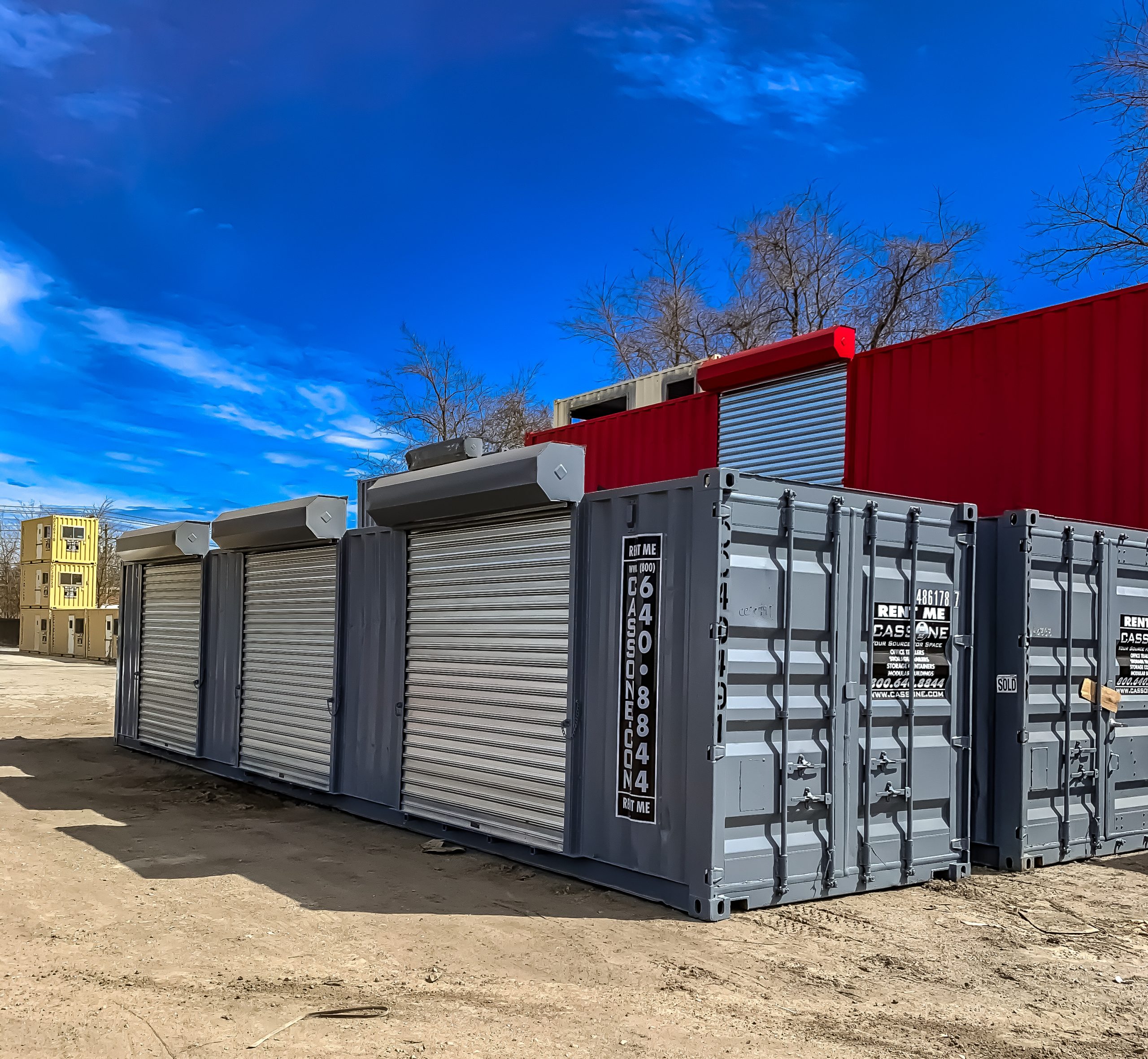
    Ground Level Storage Container Building Units In New York

    Ground level storage container building units in new york www.cassone.com

    The 14 Best Storage Units In Toronto [2022]

    The 14 best storage units in toronto [2022] torontoblogs.ca

    A Comprehensive Guide On Warehouse Storage

    A comprehensive guide on warehouse storage barbaraiweins.com
    Read More..

    58+ Shed With Bi-Fold Doors

    Cedar shed kits, cedar garden & storage sheds cedarshed.com

    Introduction: Planning Your Shed Project Building a shed with bi-fold doors involves careful planning and execution. This guide outlines the process, from designing the shed to installing the doors. Remember to always prioritize safety and consult local building codes before starting any construction project.
    Step 1: Design and Permits
  • Determining Size and Layout: Decide on the shed's dimensions (58+ sq ft), considering your storage needs and available space. Sketch a detailed floor plan including the bi-fold door placement.
  • Bi-Fold Door Specs: Choose your bi-fold doors (size, material, style). This will affect framing dimensions. Note the rough opening requirements for your chosen doors.
  • Foundation Planning: Decide on the foundation type (concrete slab, gravel base, or wooden skid foundation). Consider drainage and leveling.
  • Permits: Check local building codes and obtain necessary permits before commencing construction.
  • Step 2: Foundation Preparation
  • Clearing the Site: Remove vegetation, debris, and topsoil from the shed location.
  • Leveling: Ensure the ground is level. Use a level and shovel to achieve a perfectly flat surface.
  • Foundation Construction: Concrete Slab: Pour a concrete slab, ensuring proper thickness and reinforcement. Gravel Base: Lay down a compacted gravel base. Wooden Skid Foundation: Construct a sturdy frame of treated lumber for a skid foundation.
  • Step 3: Framing the Shed Walls
  • Cutting Lumber: Cut lumber to the specified lengths for the wall framing (top plates, bottom plates, studs).
  • Assembling the Walls: Assemble the wall frames on a flat surface, using nails or screws to secure the studs to the top and bottom plates. Maintain consistent spacing between studs (typically 16 or 24 inches on center).
  • Framing the Door Opening: Frame the opening for the bi-fold doors, ensuring it matches the door manufacturer's specifications. Use headers and jack studs to support the load above the opening.
  • Raising and Securing Walls: Raise the framed walls and secure them to the foundation. Ensure the walls are plumb and square. Use temporary bracing to hold them in place.
  • Step 4: Constructing the Roof
  • Choosing a Roof Style: Decide on a roof style (gable, shed, or hip). Consider the pitch and aesthetic.
  • Building Rafters or Trusses: Construct rafters or trusses based on your roof style. Ensure they are accurately cut and assembled.
  • Installing Roof Sheathing: Cover the rafters or trusses with roof sheathing (plywood or OSB). Secure the sheathing with nails or screws.
  • Applying Roofing Material: Install roofing material (shingles, metal roofing, or other chosen material) according to the manufacturer's instructions.
  • Step 5: Siding and Exterior Finish
  • Installing Siding: Apply siding to the exterior walls (wood, vinyl, metal, or other chosen material). Overlap the siding properly for weatherproofing.
  • Adding Trim: Install trim around windows, doors, and corners to add visual appeal and weather protection.
  • Painting or Staining: Paint or stain the siding and trim to protect the wood and enhance the shed's appearance.
  • Step 6: Installing Bi-Fold Doors
  • Preparing the Door Opening: Ensure the door opening is square and level. Make any necessary adjustments to the framing.
  • Installing the Door Hardware: Install the hinges, tracks, and other hardware according to the bi-fold door manufacturer's instructions.
  • Hanging the Doors: Carefully hang the bi-fold doors in the opening. Adjust the hinges and tracks to ensure smooth operation.
  • Adding Handles and Latches: Install handles and latches to the bi-fold doors for easy opening and closing.
  • Step 7: Interior Finishing (Optional)
  • Insulation: Install insulation in the walls and roof to regulate temperature.
  • Wall Covering: Cover the interior walls with plywood, drywall, or other chosen material.
  • Flooring: Install flooring (plywood, concrete, or other chosen material).
  • Shelving and Storage: Install shelving and storage solutions to organize your tools and equipment.
  • Step 8: Final Touches and Inspection
  • Sealing and Caulking: Seal any gaps or cracks around the doors, windows, and siding with caulk.
  • Cleaning: Clean the shed thoroughly.
  • Inspection: Inspect the shed to ensure it meets all building codes and safety standards. Schedule a final inspection with the local authorities, if required.
  • Conclusion: Enjoy Your New Shed Building a shed with bi-fold doors is a rewarding project that adds valuable storage space to your property. With careful planning, precise execution, and attention to detail, you can create a durable and functional shed that will serve you for years to come. Always prioritize safety and consult with professionals when needed.

    Cedar Lap Siding Saltbox Sheds

    Cedar lap siding saltbox sheds www.gazebocreations.com

    Cedar Shed Kits, Cedar Garden & Storage Sheds

    Cedar shed kits, cedar garden & storage sheds cedarshed.com

    Cedar Lap Siding Deluxe Estate Sheds

    Cedar lap siding deluxe estate sheds www.gazebocreations.com
    Read More..

    85+ Storage Shed Queanbeyan

    Self storage units in niceville, fl www.kostorage.com

    Here's a step-by-step guide on how to build a small DIY storage shed.
    Opening: Planning Your Shed Project
    Before you start hammering nails and sawing wood, proper planning is crucial for a successful shed build. Consider the following:
  • Size: Determine the dimensions of your shed based on your storage needs and available space in your yard. Measure the area where you plan to build.
  • Permits: Check your local building codes and regulations to see if you need a permit to build a shed of the size you're planning. This varies greatly by location.
  • Design: Decide on the style of shed you want (e.g., lean-to, gable) and create a simple plan or find a free shed plan online. This will help you visualize the project and create an accurate materials list.
  • Budget: Estimate the cost of materials, tools, and any potential permit fees. Stick to your budget as closely as possible.
  • Step 1: Preparing the Foundation
    A solid foundation is essential for a stable and long-lasting shed. Here's how to create one:
  • Clear the Area: Remove any vegetation, rocks, or debris from the area where the shed will be built. Level the ground as much as possible.
  • Gravel Base: Spread a layer of gravel (approximately 4-6 inches thick) over the area. This will improve drainage and prevent moisture from seeping into the shed.
  • Leveling: Use a level to ensure the gravel base is even. Compact the gravel with a tamper or plate compactor.
  • Foundation Options: Consider using concrete blocks, pressure-treated lumber, or a concrete slab as the base for your shed frame, placing these directly on the compacted gravel. Ensure they are level.
  • Step 2: Building the Floor Frame
    The floor frame provides the structural support for the shed floor.
  • Cut the Lumber: Cut the pressure-treated lumber to the required lengths according to your shed plan.
  • Assemble the Frame: Assemble the outer frame by connecting the lumber pieces with screws or nails. Ensure the corners are square using a framing square.
  • Add Joists: Install joists within the frame to provide additional support for the flooring. Space the joists evenly (typically 16 or 24 inches apart).
  • Attach to Foundation: Secure the floor frame to your chosen foundation (concrete blocks, etc.) using appropriate fasteners.
  • Step 3: Constructing the Walls
    The walls provide the shed's vertical support and enclose the space.
  • Build Wall Frames: Construct each wall frame separately. Cut the lumber to the required lengths and assemble the frame, including studs (vertical supports) spaced evenly apart (typically 16 or 24 inches).
  • Add a Top Plate and Bottom Plate: These are the horizontal pieces of lumber that run along the top and bottom of the wall frame, connecting the studs.
  • Frame the Door and Window Openings: Include framing around the door and window openings to provide support and a place to attach the door and window frames.
  • Raise the Walls: Carefully raise each wall frame into position and temporarily brace it to keep it upright.
  • Connect the Walls: Secure the wall frames together at the corners using screws or nails. Ensure the walls are plumb (perfectly vertical) using a level.
  • Step 4: Adding the Roof
    The roof protects the shed from the elements.
  • Install Rafters or Trusses: Install rafters (individual roof supports) or pre-fabricated roof trusses according to your shed plan. Ensure they are spaced evenly and securely attached to the top plates of the walls.
  • Sheathing: Cover the rafters or trusses with sheathing (plywood or OSB) to create a solid surface for the roofing material.
  • Roofing Material: Install the roofing material of your choice (e.g., asphalt shingles, metal roofing). Follow the manufacturer's instructions for proper installation.
  • Step 5: Installing Siding and Trim
    Siding protects the walls from the elements and trim adds a finished look.
  • Install Siding: Attach the siding material of your choice (e.g., wood siding, vinyl siding) to the walls. Overlap the siding pieces according to the manufacturer's instructions.
  • Install Trim: Install trim around the corners, windows, and doors to cover any gaps and add a finished appearance.
  • Step 6: Installing the Door and Windows
    The door and windows provide access and ventilation.
  • Install Door Frame: Install the door frame into the framed opening. Ensure it is plumb and level.
  • Hang the Door: Hang the door on hinges and install a door latch or lock.
  • Install Windows: Install the windows into the framed openings. Seal around the windows with caulk to prevent leaks.
  • Step 7: Finishing Touches
    Add the finishing touches to make your shed functional and attractive.
  • Install Flooring: Install the flooring material of your choice (e.g., plywood, OSB, or shed-specific flooring).
  • Add Shelving and Storage: Install shelving units, hooks, or other storage solutions to organize your belongings.
  • Paint or Stain: Paint or stain the exterior and interior of the shed to protect it from the elements and enhance its appearance.
  • Clean Up: Clean up any debris and tools from the construction site.
  • Conclusion: Enjoy Your New Storage Shed
    Congratulations! You've successfully built your own DIY storage shed. With proper planning, careful execution, and a little elbow grease, you can create a valuable storage space that will last for years to come. Remember to regularly maintain your shed to keep it in good condition.

    Storage Units In Dublin

    Storage units in dublin www.storageunitsdublin.com

    Self Storage Units In Niceville, Fl

    Self storage units in niceville, fl www.kostorage.com

    Storage Solutions Instant Space

    Storage solutions instant space instantspaceselfstorage.com.au
    Read More..

    172+ Shed Plans Flat Roof

    Cedar lap siding deluxe estate sheds www.gazebocreations.com

    Introduction: Building a Flat Roof Shed Welcome to the world of DIY shed construction! This post provides a step-by-step guide for building a simple, functional flat roof shed. Flat roof sheds are cost-effective and relatively easy to construct, making them a great project for beginner and intermediate DIYers. Before you begin, ensure you have the necessary tools, materials, and a well-prepared construction site.
    Step 1: Planning and Preparation Before you start swinging a hammer, meticulous planning is crucial.
  • Obtain necessary permits: Check local building codes and regulations to determine if permits are required for shed construction.
  • Design and blueprints: Create detailed blueprints, including dimensions, materials list, and construction details. Online resources or shed plan providers offer various options (e.g., the 172+ shed plans referenced). Consider the shed's intended use and design accordingly. Flat roof sheds should have a slight slope for water runoff.
  • Gather Tools and Materials: Assemble all the necessary tools (saw, drill, level, measuring tape, hammer, safety glasses, etc.) and materials (lumber, roofing materials, fasteners, etc.). Calculate lumber quantities accurately to minimize waste.
  • Prepare the Site: Level the ground where the shed will be built. Remove any vegetation, rocks, or debris. A level and stable foundation is critical for a long-lasting structure.
  • Step 2: Building the Foundation A solid foundation is essential for shed stability and longevity.
  • Options for Foundation: Common foundation options include concrete slab, gravel pad, or concrete blocks. Choose the best option based on soil conditions, budget, and shed size.
  • Concrete Slab: Pour a concrete slab foundation according to your blueprints. Ensure it is level and adequately cured before proceeding.
  • Gravel Pad: Create a gravel pad by excavating the area, adding landscape fabric, and filling with compacted gravel.
  • Concrete Blocks: Place concrete blocks on a level base, ensuring they are properly spaced and aligned.
  • Building the Frame on the Foundation: Attach your floor framing to the concrete or set your floor joists on top of your gravel or concrete foundation.
  • Step 3: Framing the Walls Wall framing provides the structural support for the shed.
  • Cut Wall Studs: Cut wall studs to the appropriate length based on your blueprints. Ensure accuracy for consistent wall height.
  • Assemble Wall Frames: Construct wall frames by connecting studs to top and bottom plates using nails or screws. Maintain consistent spacing between studs (typically 16 inches on center).
  • Raise and Secure Walls: Carefully raise each wall frame and secure it to the foundation and adjacent walls. Use a level to ensure walls are plumb.
  • Sheathing: Cover the exterior of the wall frames with sheathing (e.g., plywood or OSB). This adds strength and provides a surface for siding.
  • Step 4: Constructing the Flat Roof Flat roofs, despite their name, require a slight slope for water drainage.
  • Building Roof Joists: Cut roof joists to the specified length and create a slight slope by cutting the joists with a gradual taper. The taper may only be a few inches from the front to the back of the shed.
  • Attaching Roof Joists: Attach roof joists to the top plates of the wall frames. Ensure they are evenly spaced and securely fastened.
  • Roof Decking: Cover the roof joists with roof decking (e.g., plywood or OSB). Stagger the seams for added strength.
  • Step 5: Roofing Proper roofing is essential to protect the shed from the elements.
  • Underlayment: Apply a layer of roofing underlayment (e.g., felt paper or synthetic underlayment) over the roof decking. Overlap the seams to prevent water penetration.
  • Roofing Material: Choose a suitable roofing material for flat roofs, such as rolled roofing, modified bitumen, or EPDM rubber. Follow the manufacturer's instructions for installation. Consider the climate and budget when selecting roofing materials.
  • Sealing: Seal all seams and edges to create a waterproof barrier.
  • Step 6: Adding Siding and Trim Siding protects the walls and enhances the shed's appearance.
  • Siding Installation: Install siding (e.g., wood siding, vinyl siding, or metal siding) according to the manufacturer's instructions. Ensure proper overlap and secure attachment.
  • Trim: Add trim around windows, doors, and corners to create a finished look and protect vulnerable areas.
  • Step 7: Installing Doors and Windows Doors and windows provide access and ventilation.
  • Door Frame: Build or purchase a door frame that fits the opening. Install the door frame securely in the wall.
  • Door Installation: Hang the door in the frame, ensuring it swings smoothly and closes properly. Install hinges and latches.
  • Window Frames: Install window frames and insert windows. Seal around the window frames to prevent drafts and water leaks.
  • Step 8: Finishing Touches Add the final details to complete the shed.
  • Interior Finishing: If desired, add interior finishing such as insulation, wall paneling, or flooring.
  • Painting or Staining: Paint or stain the exterior of the shed to protect the wood and enhance its appearance.
  • Landscaping: Landscape around the shed to improve its aesthetics and drainage.
  • Conclusion: Enjoy Your New Shed Congratulations on building your own flat roof shed! This project offers a cost-effective and customizable storage solution. With careful planning, diligent construction, and proper maintenance, your shed will provide years of reliable service. Remember to regularly inspect your shed for any signs of damage or wear and make necessary repairs promptly.

    Cedar Lap Siding Saltbox Sheds

    Cedar lap siding saltbox sheds www.gazebocreations.com

    Cedar Shed Kits, Cedar Garden & Storage Sheds

    Cedar shed kits, cedar garden & storage sheds cedarshed.com

    Cedar Lap Siding Deluxe Estate Sheds

    Cedar lap siding deluxe estate sheds www.gazebocreations.com
    Read More..

    136+ Chicken Coop Farm

    Chicken coop farm chickens pixabay.com

    ```html
    Opening: Building Your Own Chicken Coop Farm Want fresh eggs every morning and the satisfaction of raising your own chickens? Building your own coop farm is a rewarding project! This guide will walk you through the process, step-by-step, from planning to completion. Get ready to roll up your sleeves and create a safe and happy home for your feathered friends.
    Step 1: Planning and Design Before you start hammering, careful planning is crucial. Consider the following:
    • Number of Chickens: How many chickens do you plan to house? A general rule is 4 square feet per chicken inside the coop and 8-10 square feet per chicken in the run.
    • Location: Choose a well-drained, relatively flat area with partial shade. Consider proximity to water and electricity.
    • Coop Style: Decide on a coop style (A-frame, shed-style, etc.). Simpler designs are easier for beginners.
    • Materials: Select durable, weather-resistant materials like treated lumber, plywood, and roofing shingles.
    • Blueprints: Find or create detailed blueprints. Many free and paid plans are available online.
    Step 2: Gathering Materials and Tools Create a comprehensive list of all materials needed based on your blueprints. Common materials include:
    • Treated lumber (various sizes for framing)
    • Plywood (for walls, floor, and roof)
    • Roofing materials (shingles, metal roofing)
    • Hardware cloth (for the run to protect against predators)
    • Nails, screws, hinges
    • Chicken wire (optional, for additional run enclosure)
    • Nest boxes
    • Roosting bars
    • Door and window materials
    Gather your tools:
    • Saw (circular saw, hand saw, or miter saw)
    • Drill/driver
    • Hammer
    • Level
    • Measuring tape
    • Square
    • Staple gun
    • Safety glasses
    • Gloves
    Step 3: Building the Foundation and Frame Start by building a solid foundation. This can be a concrete slab, a gravel bed, or a wooden frame resting on blocks.
    • Wooden Frame Foundation: Build a rectangular frame using treated lumber. Ensure it's level and square.
    • Floor: Attach plywood to the frame to create the floor of the coop.
    • Walls: Frame the walls using treated lumber, ensuring they are square and plumb. Incorporate openings for doors and windows.
    • Roof: Frame the roof according to your chosen design. Ensure proper pitch for water runoff.
    Step 4: Installing Walls, Roof, Doors, and Windows Enclose the frame to create the coop's structure.
    • Walls: Attach plywood to the wall frames, securing it with screws or nails.
    • Roof: Cover the roof frame with plywood and then install your chosen roofing material (shingles, metal roofing). Overlap the material properly to prevent leaks.
    • Door: Build or purchase a door and install it with hinges. Add a latch for security.
    • Windows: Install windows for ventilation and natural light. You can use plexiglass or repurposed windows.
    Step 5: Building the Run The run provides chickens with outdoor space while keeping them safe from predators.
    • Frame: Build a frame for the run using treated lumber.
    • Hardware Cloth: Attach hardware cloth to the frame, burying it at least 12 inches into the ground to prevent digging predators.
    • Door: Install a door in the run for easy access.
    • Overhead Covering (Optional): Cover the top of the run with hardware cloth or netting to protect against aerial predators.
    Step 6: Interior Fixtures and Finishing Touches Add the necessary interior features for your chickens' comfort and well-being.
    • Nest Boxes: Install nest boxes inside the coop, providing one nest box for every 3-4 hens.
    • Roosting Bars: Install roosting bars at varying heights, allowing chickens to perch comfortably.
    • Ventilation: Ensure adequate ventilation by adding vents or a small screened opening near the roof.
    • Finishing: Paint or stain the coop for weather protection and aesthetics. Use non-toxic paint.
    Step 7: Introducing Your Chickens and Maintenance Once the coop is complete, introduce your chickens gradually.
    • Preparation: Provide food and water inside the coop.
    • Introduction: Place the chickens inside the coop, allowing them to explore.
    • Observation: Observe their behavior to ensure they are adjusting well.
    Regular maintenance is essential:
    • Cleaning: Clean the coop regularly, removing droppings and soiled bedding.
    • Inspection: Inspect the coop and run for damage and repair as needed.
    • Predator Control: Check for signs of predators and take preventative measures.
    Conclusion: Enjoy Your Chicken Coop Farm! Congratulations! You've successfully built your own chicken coop farm. Enjoy the benefits of fresh eggs and the rewarding experience of raising your own chickens. Remember to provide proper care and attention to your flock for a happy and healthy life. Building your own coop not only saves money but also allows you to customize it to your specific needs and preferences. Happy chickening!
    ```

    Build Chicken Coop In Barn

    Build chicken coop in barn chickyard.blogspot.com

    Walk-in Chicken Coops: 3 Top-rated Coop Kits And Plans For Easy Access

    Walk-in chicken coops: 3 top-rated coop kits and plans for easy access coopdesignplans.com

    Chicken Coop Farm Chickens

    Chicken coop farm chickens pixabay.com
    Read More..


    Diberdayakan oleh Blogger.